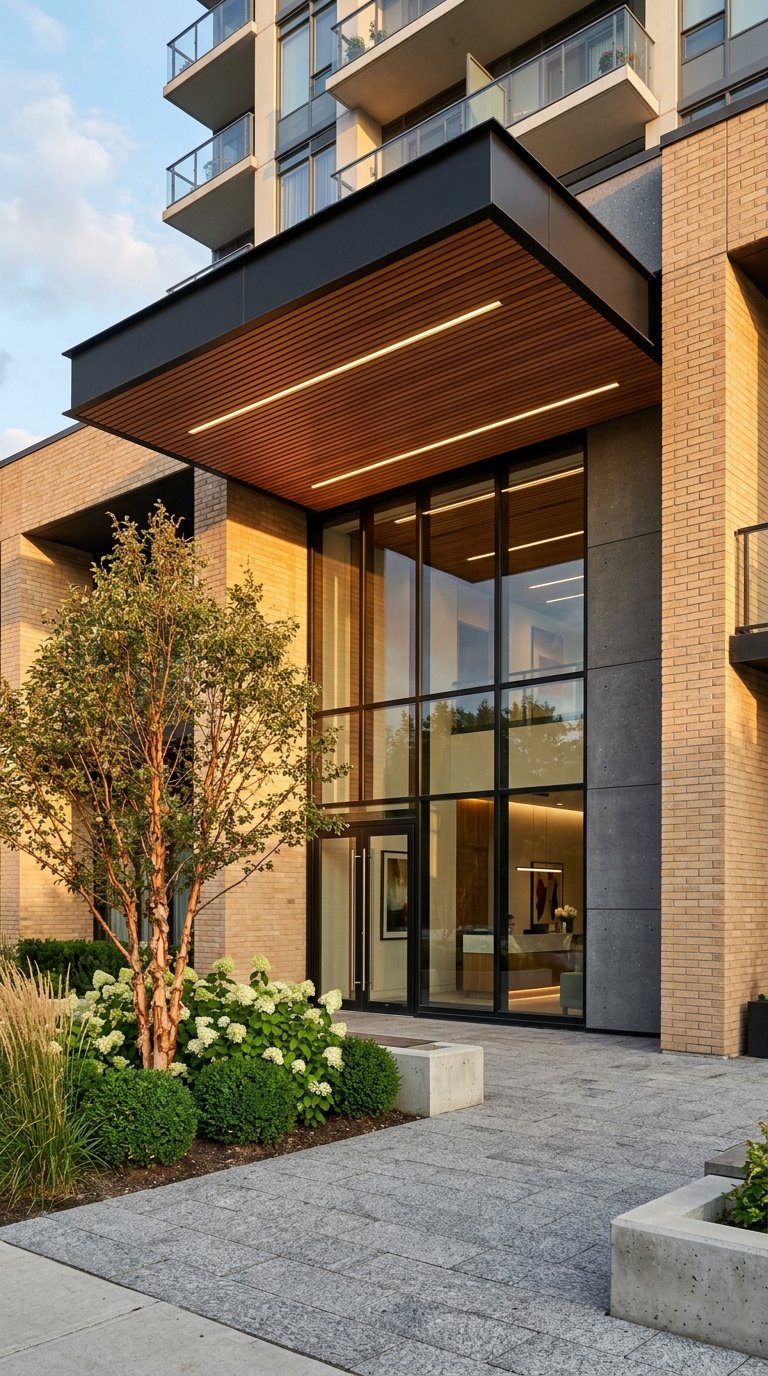
Toronto Condo Investment Guide for Long-Term Buyers
June 4, 2026
June 4, 2026
Wondering whether a Toronto condo still makes sense as a long-term investment? In today’s market, that is a smart question to ask. If you are buying for steady rental demand, future resale appeal, and long-range value, you need more than a good-looking unit and a hopeful spreadsheet. You need to know how location, building quality, carrying costs, and local rules work together. Let’s dive in.
Toronto remains one of Canada’s largest employment markets, with the City of Toronto’s 2025 Employment Survey reporting a record 1,623,720 jobs. That matters because jobs support housing demand over time. At the same time, Statistics Canada reported slower population growth across Canadian metro areas in 2025, including Toronto, which means you cannot rely on broad market momentum alone.
That mix creates a more selective investment environment. Strong long-term condo purchases are less about chasing quick appreciation and more about choosing the right product in the right location. In other words, quality matters more when the market is doing less of the work for you.
TRREB’s Q1 2026 condo report showed softer resale conditions across the GTA. Condo sales fell 11.3% year over year to 3,361, while the average City of Toronto condo price came in at $649,330.
For long-term investors, softer resale conditions are not always a reason to step away. They can create room for more careful negotiation and stronger due diligence. The key is to avoid buying based on the assumption that every condo will perform the same way over time.
On the rental side, the picture is different. CMHC reported a 1.0% vacancy rate for GTA condo apartments in 2025, with average two-bedroom rent at $2,904. TRREB also reported 16,365 GTA condo apartment rental transactions in Q1 2026, up 10.6% year over year.
That tells you there is still meaningful rental activity. But it does not mean every unit will lease easily or command top rent. Micro-location, building competition, and unit layout matter a great deal.
Toronto’s planning framework continues to direct growth toward transit-oriented communities. The City identifies 120 Major and Protected Major Transit Station Areas, generally within 500 to 800 metres of subway, GO, and streetcar stations.
For you as an investor, that is an important signal. Condos near transit, daily services, and employment access are usually easier to lease and resell over time than units that depend on a narrower pool of demand. Convenience tends to hold value because it serves both tenants and future buyers.
Citywide rental data can be useful, but it should not be your only guide. CMHC’s 2025 rental data showed that vacancy patterns varied across Toronto submarkets, with Old Toronto staying stable while several post-secondary areas and some outer-area submarkets saw higher vacancy.
That means a Toronto condo investment should be evaluated block by block, not just by postal code or headline trend. A unit near multiple demand drivers, such as transit, employment, retail, and everyday services, usually offers more resilience than one tied to a single tenant base.
If you are buying a resale condo, the status certificate is one of the most important documents in the process. According to the Condominium Authority of Ontario, it can include bylaws, rules, budgets, audited financial statements, reserve fund information, arrears, and other key details. It costs up to $100 and must be delivered within 10 days.
This is not paperwork to skim. Your lawyer should review it carefully with you. A condo can appear attractive on the surface while carrying financial or operational issues that affect your long-term costs and flexibility.
Ontario requires periodic reserve fund studies to assess whether a condo corporation has enough money to cover major repairs and replacements. That makes reserve fund health a core part of investment analysis, not a side note.
If the reserve position is weak, you could face higher fees or special assessments later. That can hurt cash flow and resale appeal. A long-term investor should always ask whether the building is financially prepared for the work that will eventually be needed.
New condos and resale condos come with different considerations. Ontario notes that new condo buyers receive a disclosure statement, Tarion warranty protections, and a 10-day cooling-off period. Resale condo buyers do not have a statutory cooling-off period.
New does not automatically mean lower risk or easier leasing. CMHC reported that the newest Toronto-area rental stock had higher vacancy, and many buildings completed after 2022 were offering incentives. That suggests newer supply can face heavier lease-up competition, especially in clusters where many similar units hit the market at once.
A building’s amenities may look attractive during a showing, but they can affect long-term carrying costs. Practical due diligence should include maintenance history, amenity burden, and any recent pattern of special assessments.
If a building has expensive amenities and rising operating costs, those costs can work against your returns. In many cases, a well-run building with reasonable features can be a better investment than one with a long list of amenities that are costly to maintain.
Toronto’s 2026 residential property tax rate is 0.767311%, and the City issues interim and final tax bills each year. Property taxes should be included in your numbers along with condo fees, insurance, and financing costs.
This may sound basic, but it is where many investment assumptions become too optimistic. A condo that looks acceptable at first glance can feel very different once all recurring expenses are accounted for.
Toronto’s Vacant Home Tax requires an annual occupancy declaration for each residential property, including condos. If a unit is considered vacant, the tax is 3% of the current value assessment.
This matters if your unit sits empty between tenants or during renovations. For long-term planning, you should think about vacancy not only as lost rent, but also as a possible tax issue if the property is not properly occupied and declared.
Ontario’s Residential Tenancies Act applies to most private rental condos. The 2026 rent increase guideline is 2.1% for most covered units. Units first occupied for residential purposes after November 15, 2018 are exempt from rent control, and the guideline does not apply when a new tenant agrees to a new rent after turnover.
These rules can materially affect your cash flow over time. If you are comparing older and newer condos, rent control treatment may be one of the factors in your analysis, alongside location, carrying costs, and building quality.
Toronto’s short-term rental rules are restrictive. Rentals of less than 28 consecutive days are only allowed in an operator’s principal residence, operators must register, condo bylaws still apply, and the City is temporarily charging an 8.5% Municipal Accommodation Tax through July 31, 2026.
For most investors, that means a non-owner-occupied condo should not be underwritten on short-term rental income. A safer approach is to evaluate the property based on conventional long-term rental use and conservative assumptions.
When you buy in Toronto, you also need to budget for Ontario land transfer tax and Toronto’s municipal land transfer tax. The City introduced graduated municipal land transfer tax rates for certain high-value residential properties effective April 1, 2026.
These costs affect your total capital outlay on day one. They also remind you that your eventual exit matters. A long-term investment should still make sense when you include purchase costs, carrying costs, and the possibility of a slower resale environment later.
If you are narrowing down a shortlist, it helps to use a practical filter. A strong long-term candidate usually checks several boxes at once:
This kind of framework helps you stay disciplined. In Toronto’s current market, the best investment is often the one that still feels acceptable if rent growth slows, fees rise, or it takes longer to secure the next tenant.
A Toronto condo can still be a solid long-term investment, but selectivity matters. Record employment supports the city’s long-range housing story, yet softer resale conditions, changing supply, and tighter operating realities mean you need to buy with more intention.
The goal is not simply to buy a condo. It is to buy a condo that can hold up under real-world conditions, from tenant turnover and fee increases to changing competition and resale timing. If you take a calm, strategic approach, you give yourself a stronger chance of owning an asset that performs well over time.
If you are weighing a resale condo, pre-construction opportunity, or investment purchase in Toronto, working with an experienced broker can help you assess the numbers, the building, and the long-term fit with greater confidence. To start the conversation, connect with Anna Fan.
Continue exploring insights and updates from the blog.




Work with a knowledgeable advisor focused on design, innovation, and smart investment opportunities.