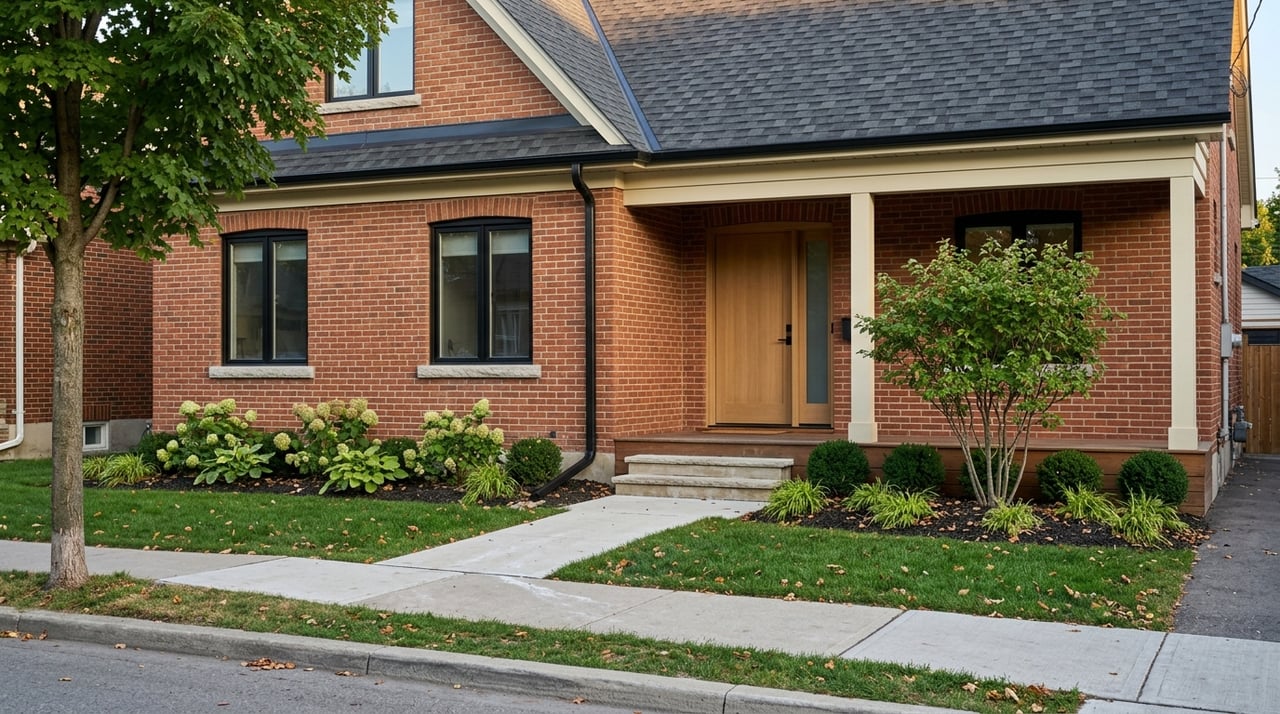
Weekend Living In Hamilton: Nature, Dining, And Culture
June 25, 2026
June 25, 2026
Looking for a city where your weekend can shift from a waterfront walk to a great meal and then end with art, music, or historic streetscapes? Hamilton stands out because daily life and weekend plans often overlap in a very natural way. If you are considering a move, investing in the West GTA, or simply exploring lifestyle options beyond Toronto, understanding how Hamilton lives is just as important as understanding how it looks on paper. Let’s dive in.
Hamilton’s tourism and trail planning both point to the same idea: this is a city where nature, culture, and urban amenities are closely connected. Parks, trails, commercial areas, cultural institutions, transit, and residential neighbourhoods are all part of the same everyday fabric.
That matters if you want a lifestyle that feels flexible. Instead of planning a full getaway, you can often build a satisfying weekend close to home, whether that means coffee downtown, a harbour walk, or an afternoon at a gallery or market.
One of Hamilton’s strongest lifestyle advantages is its access to green space and shoreline routes. According to the City’s ParkFinder, Hamilton has more than 3,480 acres of municipally owned parkland and over 49 kilometres of city-owned trails.
For many people, that translates into easier weekend habits. You can step out for a short walk, bike ride, or family outing without leaving the city behind.
If you want an urban waterfront setting, Bayfront Park and Pier 4 Park are two of the clearest starting points. Pier 4 is especially appealing if you like a promenade feel, with multi-use trails, a boardwalk, a beach, a playground, a pier structure, and event lawn space.
These areas make it easy to picture a relaxed Saturday. You might start with coffee, walk along the harbour, and then head into downtown for lunch or an afternoon event.
If your ideal weekend includes more room to spread out, the Hamilton Beach Recreational Trail and Confederation Beach Park offer a larger shoreline experience. The Beach trail follows Lake Ontario through the beach strip, Confederation Park, and into Stoney Creek.
Confederation Beach Park adds recreation, naturalized areas, dining, and entertainment. For buyers thinking about lifestyle first, this part of the city supports longer outdoor days and a more active weekend rhythm.
Hamilton also connects into a broader outdoor network. The Great Lakes Waterfront Trail identifies the city as a major hub for cycling and pedestrian routes, with links to the Bruce Trail, the Greenbelt Route, the Niagara Escarpment, and Dundas Valley.
For a quieter outing, Royal Botanical Gardens offers another layer of nature-focused living. Spanning Hamilton and Burlington, it is recognized as Canada’s largest botanical garden, making it a strong option for walking, seasonal visits, and slower-paced weekends.
Weekend living is not only about green space. It is also about where you naturally meet friends, grab brunch, browse local vendors, or enjoy a night out without too much planning.
Hamilton has built a strong identity around independent cafés and craft breweries. Tourism Hamilton describes both as part of the city’s culture, which gives the dining scene a more local and personal feel.
James Street North is one of Hamilton’s clearest lifestyle corridors. It blends restaurants, shops, galleries, and creative spaces in a way that feels active without being overproduced.
The monthly Art Crawl gives this area even more presence. The City describes it as a celebration of art, music, and food, with studios, galleries, shops, and restaurants staying open late.
If you are someone who values walkable energy, this area is worth paying attention to. It shows how Hamilton can offer culture and casual social life in one compact district.
King William Street is another key downtown anchor. The City described it in 2025 as an iconic restaurant row and a pedestrian-only summer destination.
That kind of concentration matters from a real estate perspective. It supports the idea that some of Hamilton’s most appealing downtown living is tied to highly walkable pockets where dining becomes part of your routine, not just an occasional treat.
For a more grounded and everyday version of city living, the Hamilton Farmers’ Market remains a downtown staple. It operates Wednesday through Saturday and includes vendors across bakery, coffee, cheese and deli, grocery and prepared foods, produce, seafood, and VQA wine categories.
Tourism Hamilton describes it as a year-round destination established in 1837 with more than 50 vendors. If you value the kind of neighbourhood life that includes picking up ingredients, prepared meals, or weekend treats in one place, the market adds real depth to downtown living.
Hamilton’s weekend appeal is not just scenic or social. It also has a strong cultural side, with institutions, events, and heritage buildings that shape the city’s identity.
For many buyers, this is where Hamilton becomes especially interesting. You are not only choosing a home. You are choosing a setting with visual character, public events, and a mix of old and new.
The Art Gallery of Hamilton is a major downtown cultural stop. Located at 123 King Street West, it offers rotating exhibitions, public tours on weekends and Thursday evenings, and family programming.
That makes it easy to fold into a normal weekend. You do not need a major itinerary to enjoy the city’s cultural side, which is part of what makes Hamilton feel livable rather than purely event-driven.
Art Crawl is one of the city’s recurring cultural touchpoints, but it is not the only one. Hamilton also hosts Supercrawl, a free annual outdoor festival featuring music, art, fashion, performance, talks, crafts, and food.
Together, these events reinforce a city that uses its streets well. For residents, that often means there is a built-in social and cultural calendar close to home.
Hamilton’s built form adds another layer of appeal. The City’s Municipal Heritage Register and planning materials highlight landmarks and historic areas that give the city a distinctive look.
Dundurn Castle, the restored Lister Block, the Royal Connaught Hotel, and the Westdale Theatre all help tell that story. They also show a contrast many buyers appreciate: adaptive reuse and heritage streetscapes in the core, with more residential, lower-rise neighbourhood fabric nearby.
If you are exploring Hamilton as a place to live, the natural next question is where this weekend lifestyle is easiest to access. Based on the City’s planning and heritage materials, a few areas stand out for different reasons.
This is not a current listing survey, but it is a useful planning-based way to think about fit.
If your priority is walkability, downtown Hamilton, James Street North, and the King William area are among the strongest options. These districts combine restaurants, cultural venues, events, and historic streetscapes in close reach.
Housing in these areas tends to lean more urban, including condos, apartments, and adaptive-reuse buildings. The North End also reflects the city’s recent focus on mixed-income apartment and infill development.
Durand offers a different version of close-in living. The Downtown Hamilton review background report describes it as primarily older residential with a significant number of single detached homes.
The same report notes a mix of grand houses, modest brick homes and cottages, walk-up apartments, condo conversions, and apartment towers. If you like heritage character and want to stay near downtown amenities, Durand is a useful area to consider.
Westdale and Ainslie Wood present a more low-rise, residential setting. The current secondary plan says the area should remain primarily residential, with low-density single-detached homes in many interior sections, while also permitting semis, duplexes, street townhouses, and existing legal multiplex forms.
The commercial core along King Street West helps create a village-style rhythm. For buyers who want a calmer streetscape with some walkable daily conveniences, this area offers a different balance than the downtown core.
Hamilton appeals to different buyers for different reasons, but the common thread is flexibility. You can find waterfront recreation, heritage character, cultural programming, and food-focused urban pockets in one city.
From a real estate perspective, that can open up a wider range of choices. Some buyers may prefer condo or apartment living near the downtown action, while others may be drawn to heritage homes in Durand or low-rise residential streets in Westdale.
The key is to match the housing type to the lifestyle you actually want to live. If your ideal weekend includes walking to dinner, visiting the market, and catching an event, one part of Hamilton may fit better. If you want more shoreline time or a quieter village feel, another area may make more sense.
Hamilton’s appeal is that it does not ask you to choose only one identity. It offers a city experience shaped by nature, dining, and culture, often within the same weekend and sometimes within the same day.
If you are weighing Hamilton alongside other West GTA locations, working with a broker who understands lifestyle fit, long-term value, and property positioning can help you narrow the options with more clarity. If you are planning your next move, Anna Fan can help you evaluate the right location, property type, and strategy with a polished, thoughtful approach.
Continue exploring insights and updates from the blog.

Work with a knowledgeable advisor focused on design, innovation, and smart investment opportunities.